

Welcome To TAKTVOLL


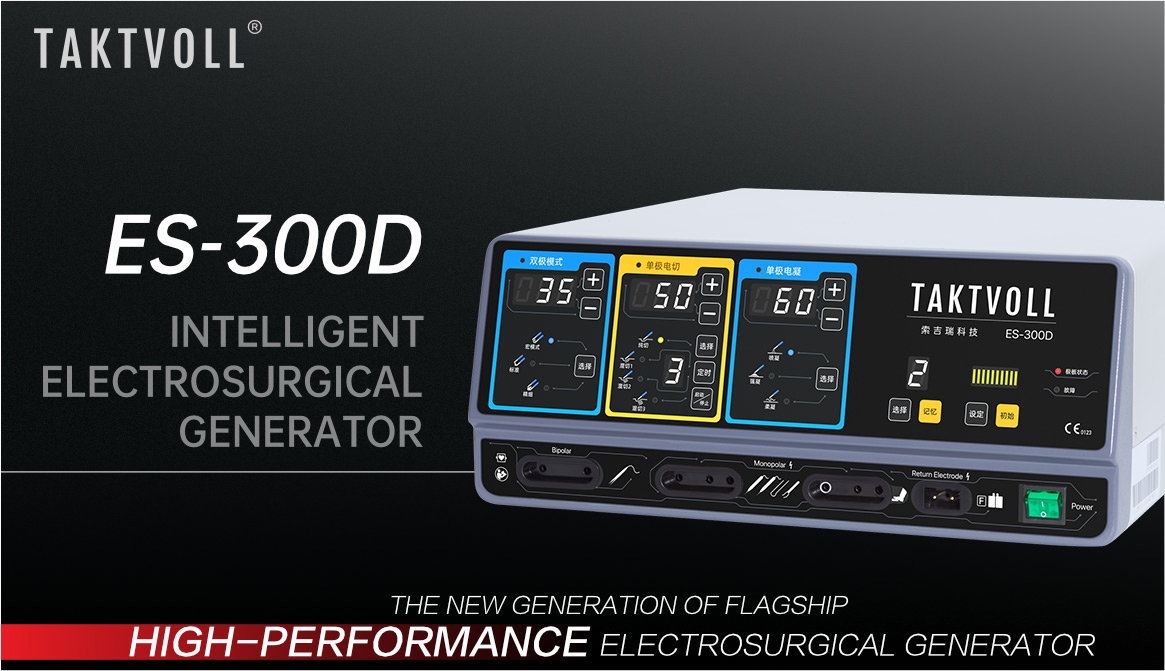
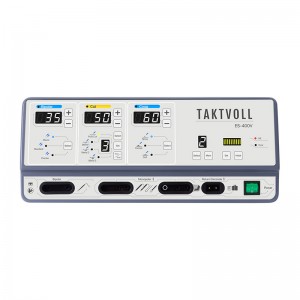
ES-300D/ES-300 New Generation Intelligent Electrosurgical Generator
Features
Two monopolar output ports
4 monopolar cutting modes: pure cut, blend 1, blend 2, blend 3
Pure cut: cut the tissue cleanly and accurately without coagulation
blend 1: Use when the cutting speed is slightly slow and a small amount of hemostasis is required.
blend 2: Compared with blend 1, it is used when the cutting speed is slightly slower and a better hemostatic effect is needed.
blend 3: Compared with blend 2, it is used when the cutting speed is slower, and a much better hemostatic effect is needed.
3 coagulation modes: spray coagulation, forced coagulation, and soft coagulation
spray coagulation: high-efficiency coagulation without contact surface. The coagulation depth is shallow. The tissue is removed by evaporation. It usually uses a Blade or ball electrode for coagulation.
forced coagulation: It’s non-contact coagulation. The output threshold voltage is lower than spray coagulation. It’s suitable for coagulation in a small area.
soft coagulation: Mild coagulation penetrates deeply to prevent tissue carbonization and reduce electrode adhesion to tissue.
3 bipolar output modes: macro mode, standard mode, and fine mode
Macro mode: It’s used in bipolar cutting or rapid coagulation. Voltage is higher and the power is higher than standard and fine mode.
Standard mode: It’s suitable for most bipolar applications. Keep the low voltage to prevent sparks.
Fine mode: It’s used for high precision and fine control of drying amount. Keep the low voltage to prevent sparks.
CQM contact quality monitoring system
Automatically monitor the quality of contact between the dispersive pad and the patient in real-time. If the contact quality is lower than the set value, there will be a sound and light alarm and cut off the power output to ensure safety.
allow two electrosurgical pencils to cut and coagulate simultaneously
2 control way-Electrosurgical pens and foot switch control
Start with the recently used mode, power, and other parameters
9 sets of memory modes, power parameters, etc., can be quickly recalled.
Volume adjustment function
Cut and coagulate in an intermittent manner
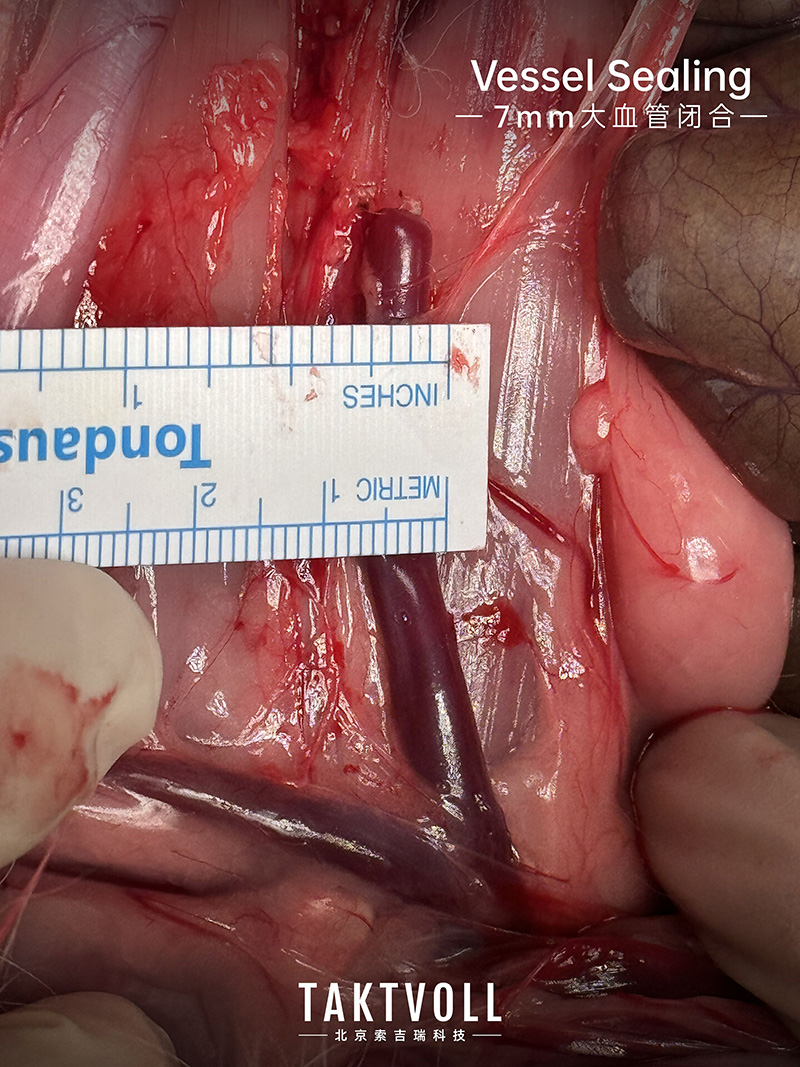
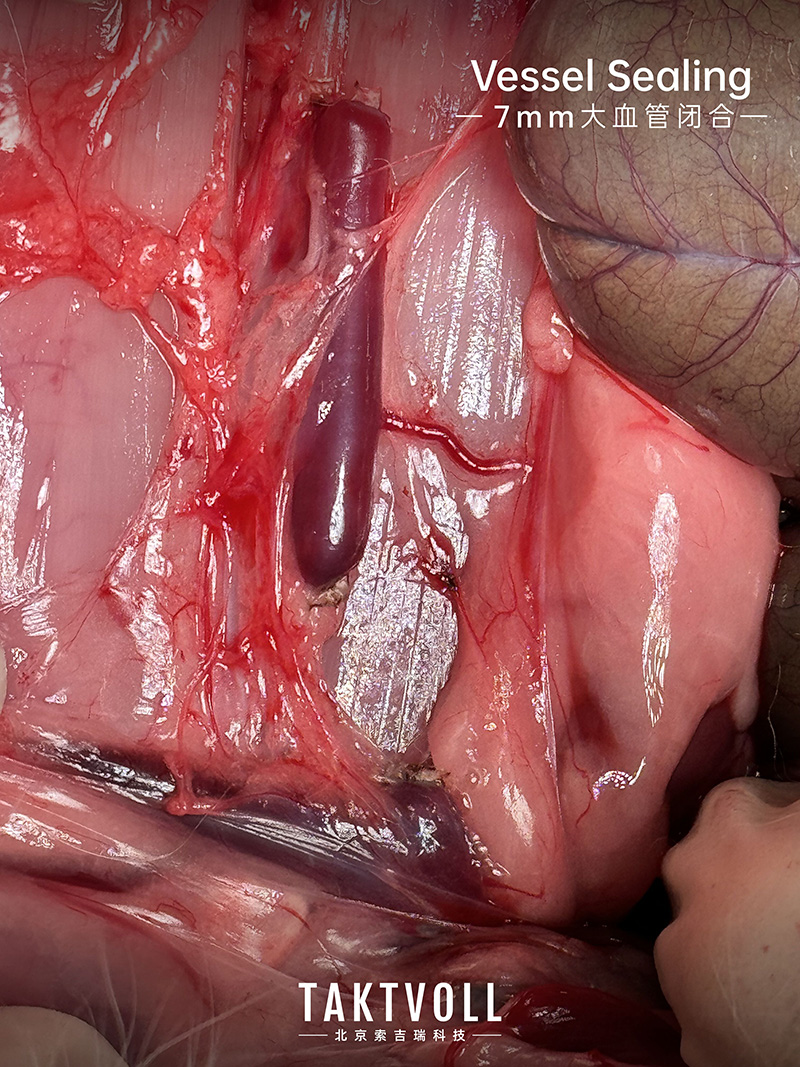
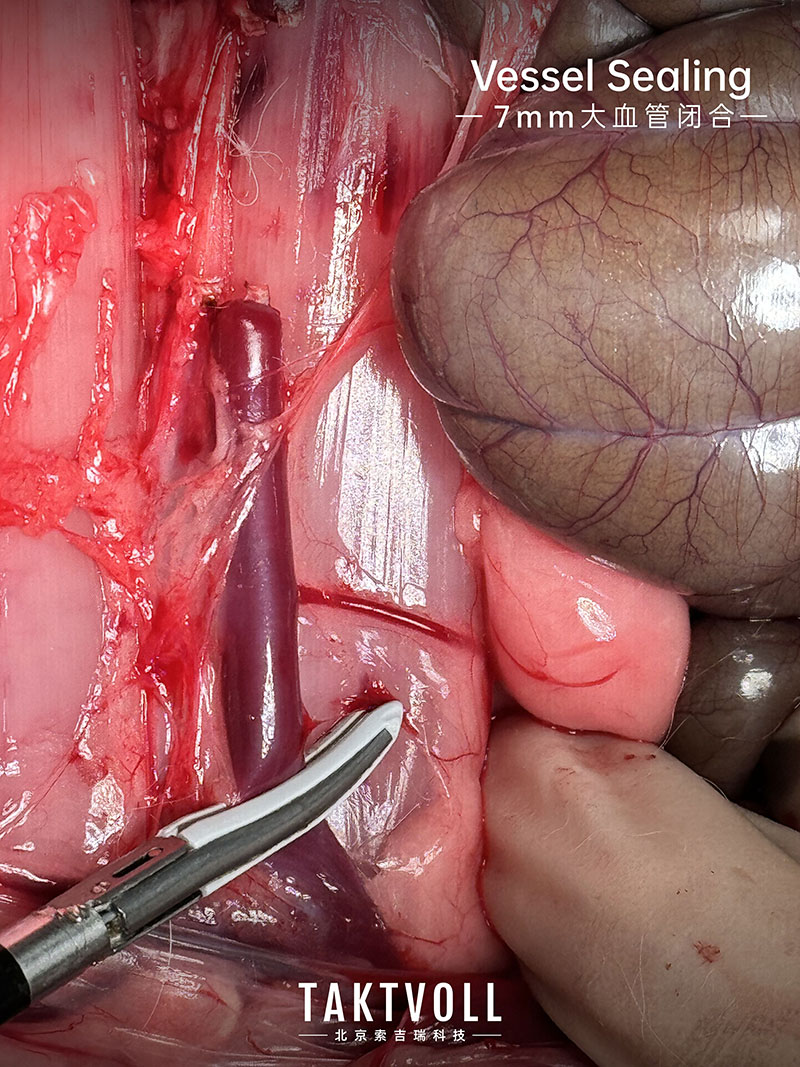
Key Specifications
|
Mode |
Max Output Power(W) |
Load impedance (Ω) |
Modulation Frequency (kHz) |
Max Output Voltage (V) |
Crest Factor |
||
|
Monopolar |
Cut |
Pure Cut |
300 |
500 |
—— |
1300 |
1.8 |
|
Blend 1 |
250 |
500 |
20 |
1400 |
2.0 |
||
|
Blend 2 |
200 |
500 |
20 |
1300 |
2.0 |
||
|
Blend 3 |
150 |
500 |
20 |
1300 |
1.9 |
||
|
Coag |
Spray |
120 |
500 |
12-24 |
4800 |
6.3 |
|
|
Forced |
120 |
500 |
25 |
4800 |
6.2 |
||
|
Soft |
120 |
500 |
20 |
1000 |
2.0 |
||
|
Bipolar |
Marco |
150 |
100 |
—— |
500 |
1.6 |
|
|
Standard |
100 |
100 |
20 |
700 |
1.9 |
||
|
Fine |
50 |
100 |
20 |
400 |
1.9 |
||
Accessories
|
Product Name |
Product Number |
| Monopolar Foot-Switch | JBW-200 |
| Bipolar Foot-Switch | JBW-100 |
| Hand-Switch Pencil, Disposable | HX-(B1)S |
| Patient Return Electrode Without Cable, Split, for Adult, Disposable | GB900 |
| Connecting Cable for Patient Return Electrode(Split) , 3m, Reusable | 33409 |
| Blade Electrode, 6.5"(16.51 cm) | E1551-6 |
| Laparoscopic Bipolar High Frequency Cable, 3m | 2053 |
| Laparoscopic Monopolar High Frequency Cable, 3m | 2048 |
| Bipolar Forceps, Reusable, Connecting Cable | HX-(D)P |
Intended Use
The High Frequency Surgical Equipment is intended for tissue cutting and/or coagulation in open, laparoscopic and endoscopic surgery in conjunction with electrosurgical accessories and ancillary equipment.
Contraindications
Patients for whom electrosurgery could have a negative effect on the state of the patient.
Patients with implanted electronic devices (e.g. pacemakers or cardiovascular-defibrillators)
Patients with a weakened immune system
Patients with blood coagulation disorders.
Cautions & Warnings
Unqualified medical staff are not allowed to use this Electrosurgical Generator – may cause electric shock and burns to patients and staff.
Patients with implantable cardiac pacemakers or other metal implants are at risk, as the device may interfere with or even damage the pacemaker. If in doubt, appropriate and effective advice should be given.
Danger of fire and explosion from flammable organic solvents and solutions (e.g., medical alcohol, tincture), oxygen-enriched environments, and oxidants.
Generator failures may lead to unexpected increase in output power – in case of failure, stop using the equipment.
Auxiliary equipment and surgical accessories shall have a rated voltage ≥ the maximum output voltage of the generator.
Check interfaces and wires of accessories in advance to ensure they are intact and in good condition.
Return electrodes compatible with the REM system are recommended to ensure sound and light alerting signals are available when safe contact is lost.
Choose the lowest possible output power for the desired effect.
This equipment must be connected to a power source with protective grounding to avoid electric shock.
Activated electrodes are prohibited from contacting any metal objects – may cause serious surgical risks.
Activated electrodes must not get close to combustible materials – may cause fire.
Activated electrodes not in use should be placed in a protective sheath or a clean, dry, non‑conductive location, away from combustible materials and patient contact.
If electrosurgery is performed on the posterior area of the chest, flammable anesthetics and oxidizing gases (e.g., N₂O, oxygen) are prohibited unless removed before operation.
If output power is significantly reduced or the equipment does not function normally, the return electrode may have application failure or poor contact.
It is not allowed to mute the volume of the equipment – may result in failure to notice accidental start‑up or REM error information.
Skin‑to‑skin contact between doctors and patients should be avoided – use insulating gloves and insert dry gauze if necessary.
Neuromuscular stimulation can lead to risks, especially in the case of electric arcs between the active electrode and tissue.
Monitoring electrodes should be kept as far as possible from the high‑frequency electrode. Needle‑shaped monitoring electrodes are not recommended.
After surgery, turn off the power switch and unplug the power plug before cleaning the equipment.
For reusable accessories, pay attention to cleaning, disinfection, packaging, sterilization methods, and reuse limitations – strictly follow instructions.
Do not disassemble the device without permission – may lead to electric shock.
Portable and mobile RF communication equipment will affect the operation of medical electrical equipment.
The equipment should not be used adjacent to or stacked with other equipment. If unavoidable, observe the equipment to verify normal operation.
Residual Risks
Patients with implantable cardiac pacemakers or other metal implants are at risk – interference or damage to the pacemaker may occur.
Activated electrodes near combustible materials may cause fire.
Tissue fumes and aerosols may have carcinogenic and infectious health problems.
The equipment may cause radio interference or may interrupt the operation of nearby equipment.
|
Product Name |
Product Number |
|
Foot-Switches |
|
|
Monopolar Foot-Switch |
JBW-200 |
|
Bipolar Foot-Switch |
JBW-100 |
|
Monopolar Foot-Switch |
ES-A01 |
|
Bipolar Foot-Switch |
ES-B01 |
|
Monopolar Instruments and Cables |
|
|
Valleylab™ Electrosurgical Pencil |
E2516H |
|
ValueBlue™ Electrosurgical Pencil |
130403 |
|
MEGADYNE™ Telescoping Soft Tissue Dissector |
ME7251T |
|
BOWA™ Monopolar LAP Hook |
700-003 |
|
Karl Storz™ Laparoscopy Electrodes |
33250 |
|
Hand-Switch Pencil, Disposable |
HX-(B1)S |
|
Blade Electrode, 6.5″(16.51 cm) |
E1551-6 |
|
Return electrodes and cables |
|
|
Valleylab™ patient return electrode |
E7510-25 |
|
MEGADYNE™ Patient Return Electrodes |
0855C |
|
Aspen™ Split Return Electrode |
ESRSC |
|
NESSY™ Plate |
20193-075 |
|
Skintact® patient return electrode |
RS26 |
|
Patient Return Electrode Without Cable, Split, for Adult, Disposable |
GB900 |
|
Connecting Cable for Patient Return Electrode(Split) , 3m, Reusable |
33409 |
|
Bipolar Instruments and Cables |
|
|
ERGOact™ Maryland forceps |
770-661 |
|
Erbe® Bipolar forceps |
20195-600 |
|
Aesculap® Yasargil Style Bipolar Forceps |
08-0022IG |
|
CODMAN® YASARGIL Bipolar Forceps |
802973 |
|
Olsen® Bayonet Bipolar Forceps |
08-0022IG |
|
Laparoscopic Bipolar High Frequency Cable, 3m |
2053 |
|
Laparoscopic Monopolar High Frequency Cable, 3m |
2048 |
|
Bipolar Forceps, Reusable, Connecting Cable |
HX-(D)P |
Related products



WHY CHOOSE US
Since its establishment, TAKTVOLL has been dedicated to advancing electrosurgical energy technology, continuously pursuing reliable performance, precise control, and meaningful improvements in surgical care.
- Tel:+86-10-56495579
- Room 302, 3rd Floor, Building 10, No. 13, Jingsheng South 4th Street, Beijing Economic and Technological Development Zone, Beijing, China
- [email protected]


Sitemap - AMP Mobile
Non-stick bipolar surgical instruments, Non-stick bipolar bayonet forceps, Non-stick bipolar thermal forceps, Non-stick bipolar straight forceps, Non-stick bipolar microsurgical forceps, Non-stick bipolar ENT forceps,